
Horizontal vs. Vertical: The Creator's Guide to Which Wins

Turning your phone sideways because a video widescreen format demands it, only to flip it back later to check notifications, seems a minor thing. But is it still a battle in modern content reaction: Horizontal vs. Vertical video? For years, widescreen was the king, but the mobile-first platform has changed how you capture. To help you navigate horizontal vs. vertical, read on here to see their differences, best use cases, etc., so you always know which one to choose.
Guide List
What Is Horizontal Video What Is Vertical Video Horizontal vs Vertical: Key Differences How to Convert Horizontal Video to Vertical (or Vice Versa) When Should You Use Horizontal Video When Should You Use Vertical VideoWhat Is Horizontal Video
The classic horizontal video mirrors the side-to-side field of vision to create an immersive viewing experience. For more details, explore exactly what makes the horizontal video a timeless standard in video production.
Definition (16:9 Aspect Ratio)
If you're making a horizontal video, 16:9 is the format you'll use most often. It works well on TVs, laptops, and YouTube. Common sizes include 1920×1080 and 3840×2160.
Where It Works Best
Horizontal scaling videos deliver the best viewing experience in the following:
- • Movie Theaters. Designed for an expansive, panoramic field of view.
- • Television Sets and Smart TVs. It is the natural layout for living room setups.
- • Desktop and Laptop Monitors. Ideal for multitasking and full-screen viewing.
- • Long-Form Streaming Platforms. The default viewing format for YouTube, Netflix, Twitch, and other platforms.
Strengths
The popularity of the horizontal format comes down to these different advantages:
- • Cinematic Storytelling. The format feels more natural and epic, as human eyes are positioned side-by-side, so the natural peripheral vision is horizontal.
- • Relaxed Viewing. It gives a lean-back experience where you can sit down and enjoy a movie or any video without holding a device.
- • Context and Scale. It lets you capture wide landscapes and multiple subjects in a single frame.
Common Problem
While horizontal video has its strengths, it also faces a major hurdle. Most people hold their smartphones vertically all the time, turning their phone sideways to watch a widescreen video needs extra effort. If you choose not to, the horizontal video will shrink, resulting in a tiny visual with black bars at the top and bottom.
What Is Vertical Video
If the previous video format is for massive landscapes, vertical video here mirrors your daily life in today's fast-paced digital media. Explore now what makes the portrait content so powerful.
Definition (9:16 Aspect Ratio)
Vertical video or the portrait format stands taller. It is the standard layout with a 9:16 aspect ratio. It uses a resolution of 1080x1920 pixels, allowing video content to fill your entire phone screen perfectly from top to bottom.
Where It Works Best
The vertical format works and delivers the best results on:
- • Mobile-First Platforms. YouTube Shorts, Instagram Reels, and TikTok.
- • Mobile Advertisements. Full-screen ads that need immediate attention.
- • Live Streaming Apps. Platforms for creators to chat with a live audience.
- • Short-form Contents. Instagram or Facebook Stories, and Snapchat.
Strengths
The rise of the vertical video layout offers a few major benefits, like the following:
- • One-on-One Vibe. Since the frame focuses on a single subject, the viewer looks right at you.
- • Maximum Screen Experience. The layout occupies 100% of the screen; no notifications or extra distractions that will divide your viewer's attention.
- • Zero Friction. You won't have to flip your phones to get the full viewing experience, perfect for casual browsing.
Common Problem
Vertical video faces some issues when it leaves the smartphone ecosystem. When you try to play it on a desktop monitor, laptop, or smart TV, it cannot stretch to fit their widescreen layout. It will leave you with black bars on the left and right sides, making the content small, ruining your viewing experience.
Horizontal vs Vertical: Key Differences
Next for the horizontal vs. vertical rivalry is the comparison of their difference. The right choice depends on your target audience. To help you decide on your next project, look at the breakdown of how these two formats work:
| Feature | Horizontal 16:9 | Vertical 9:16 |
| Platform | YouTube, websites, and Netflix | TikTok, YouTube Shorts, Instagram Reels |
| Viewing device | Desktop, TV, laptop | Mobile phones, tablets |
| Editing style | Cinematic, multi-subject, and wide spans | Social first, text overlays, quick cuts |
| Engagement style | Lean-back, longer attention span | Highly interactive, quick hooks, fast scrolling |
| Best use case | Films, documentaries, tutorials, vlogs | Short-form content, product promos, trends, quick tips |
How to Convert Horizontal Video to Vertical (or Vice Versa)
You may find yourself with a specific widescreen that needs to go out as a Reel. To ensure you'd never go wrong when converting between horizontal and vertical formats, use AnyRec Video Converter. This highly efficient desktop tool is designed to handle complex aspect ratio changes without a steep learning curve. It uses smart cropping and scaling technologies to ensure your videos will be changed from horizontal to vertical or vice versa without looking distorted or stretched.
Pick the aspect ratio you need, including 16:9, 9:16, 4:5, and 1:1.
Keep your video looking clear after conversion.
Adjust the video crop to keep your subject in the frame.
Convert several videos in one go.
Secure Download
Secure Download
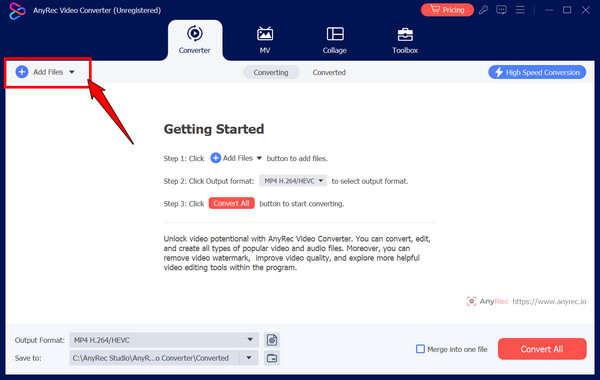
Step 1.Start AnyRec Video Converter on your computer, and click the "Add Files" button (or drag and drop your footage) to load the video you want to convert.
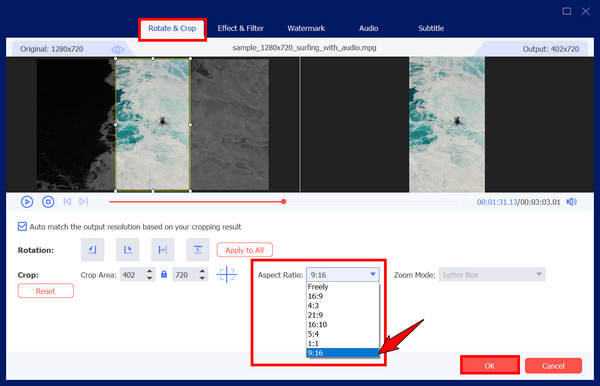
Step 2.Click the "Edit" button to open the built-in editor. Go to the "Rotate & Crop" tab, locate the "Aspect Ratio" dropdown menu, and choose 9:16 (to vertical) or 16:9 (to horizontal).
You can also move the crop box over the preview window to ensure your main subject is centered in the frame, and click the "OK" button to save changes.
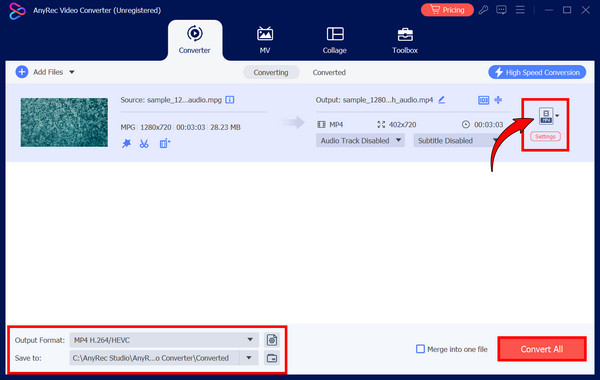
Step 3.Select your desired format from the "Format" menu, then your destination folder at the bottom. Click the "Convert All" button to finish the process.
When Should You Use Horizontal Video
Now that you know how to move between horizontal and vertical video formats, know which format to use right from the start. Since widescreen content is all about details, use it in these specific scenarios:
- • You're filming a wide landscape. Capturing background details or multiple people side-by-side.
- • The content is for relaxed viewing. You expect your audience to sit down and dedicate more time to a single story or piece of content.
- • You're creating detailed tutorials. Sharing your desktop screen, showing a complex interface, or demonstrating a hands-on project.
- • Your main platform is YouTube or a desktop website. Publishing content specifically for people who are searching for answers on computers.
When Should You Use Vertical Video
Last thing for horizontal vs. vertical rivalry is to focus on when you should use vertical video. As you've seen, portrait video content thrives on speed and casual interactions, so it's best to stick to the layout in these situations:
- • You're publishing directly to mobile-first social feeds. Posting on TikTok, Instagram Reels, YouTube Shorts, or any platform.
- • You're creating time-sensitive updates. Posting quick updates, behind-the-scenes moments, or casual content to Instagram.
- • Your main goal is rapid viewer interaction. Your video focuses on getting people to read comments, click a link, vote in a poll, or use an interactive sticker.
- • Your content features a single subject. Recording a talking-head video, a product review, or a personal update.
Conclusion
Horizontal and vertical videos both have their place. Horizontal videos are better for widescreen viewing, while vertical videos are made for mobile screens. If you need both, AnyRec Video Converter makes it easy to convert your videos for different platforms.
Secure Download
Secure Download
Related Articles
About Our Author